Part 1: Tracing the Development of the Castrati into Pants Roles
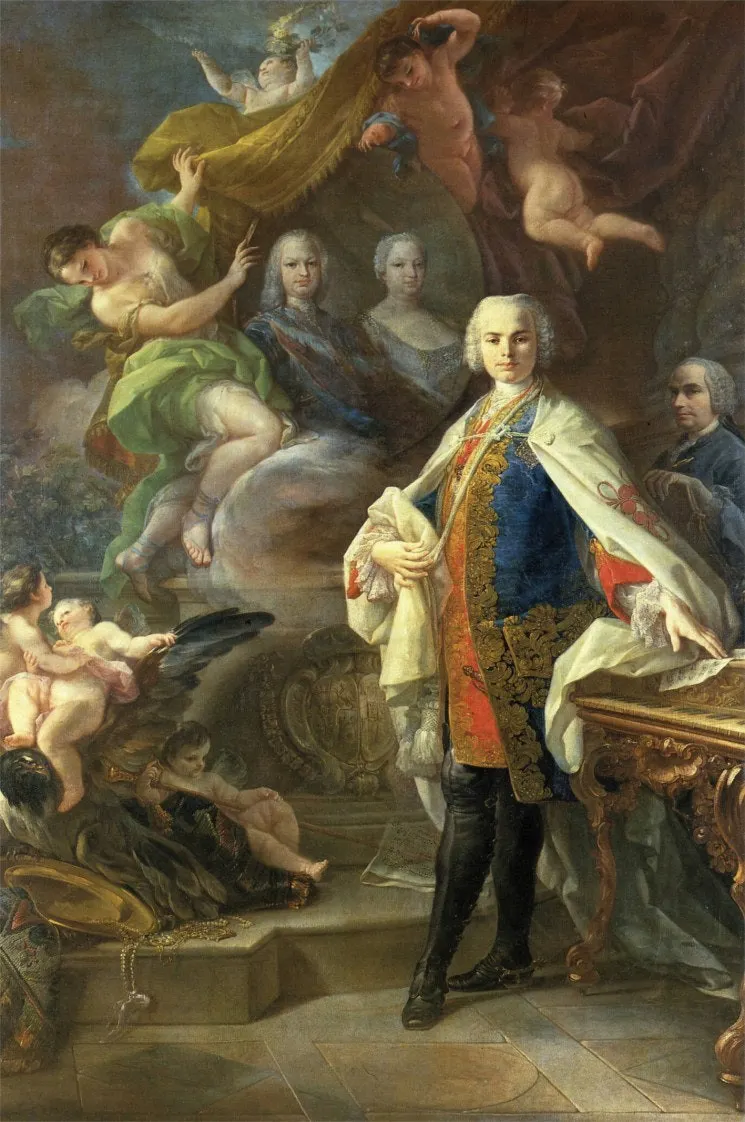
The transition from castrato roles to trouser roles in opera is a reflection of historical and social changes in the 18th and 19th centuries. Castrati, male singers who were castrated before puberty to preserve their high singing voices, were prominent in opera during the Baroque period. However, as societal attitudes changed and castration became increasingly controversial and eventually illegal, the use of castrati declined.
By the late 18th century, there was growing ethical and moral opposition to the practice of castration for musical purposes. The idea of castrating young boys to create singers was increasingly seen as inhumane, and societal attitudes shifted against it.
Enlightenment ideals, which emphasized reason, individual rights, and the pursuit of happiness, influenced changing perceptions of morality. Castration for the sake of creating opera singers was perceived as a violation of individual rights and bodily integrity.
The 18th century saw the rise of sentimentalism in literature and the arts, emphasizing the importance of human emotions and empathy. The mutilation of young boys to create singers began to be seen as incompatible with the growing sensitivity toward human suffering.
Some countries began to enact legal restrictions against castration. For instance, the Papal States in Italy prohibited castration for musical purposes in the mid-18th century.
The taste in opera shifted away from the ornate and virtuosic arias associated with castrati. Composers began to write more naturalistic and emotionally expressive music that suited the characteristics of the human voice without the need for extreme vocal ranges.
The Enlightenment emphasized reason, science, and a more realistic understanding of the world. This philosophical shift extended to the arts, leading to a desire for more naturalistic portrayals in literature, painting, and music. Composers sought to create works that reflected human emotions and experiences in a more authentic and relatable way.
In addition to changing philosophical ideals, there was a growing popularity of opera buffa, or comic opera. Opera buffa favored simpler, more direct musical expression and was characterized by a focus on everyday characters and situations. This genre, with its lighter and more accessible style, contributed to the decline of the elaborate and virtuosic arias associated with the castrati tradition.
While opera buffa flourished, changes were also taking place in opera seria, the serious opera. Composers sought to humanize characters and create more believable situations, moving away from the highly stylized and artificial conventions of the Baroque period.
With the decline of castrati, composers needed to find ways to maintain the vocal range and characteristics traditionally associated with male characters. Trouser roles allowed female singers, particularly mezzo-sopranos, to take on roles originally intended for male characters, preserving the tonal quality and expressiveness required by the music.

Trouser roles provided opportunities for female singers to take on more diverse and dramatic characters. The convention of female characters disguising themselves as men or boys within the plot allowed for intriguing and complex storylines. This added an element of theatricality and often contributed to the overall comedic or dramatic impact of the opera.
In addition to practical considerations, trouser roles also allowed for exploration of gender identity and sexuality on the operatic stage. The blurring of gender boundaries in performance added layers of complexity to character interactions and relationships.
Trouser roles opened up new possibilities for female singers, providing them with the chance to showcase their vocal and dramatic skills in roles that were traditionally reserved for male voices. This expanded the repertoire for female singers and contributed to the evolution of operatic conventions.


Comments
Post a Comment